November 26, 2026 · 4 min read
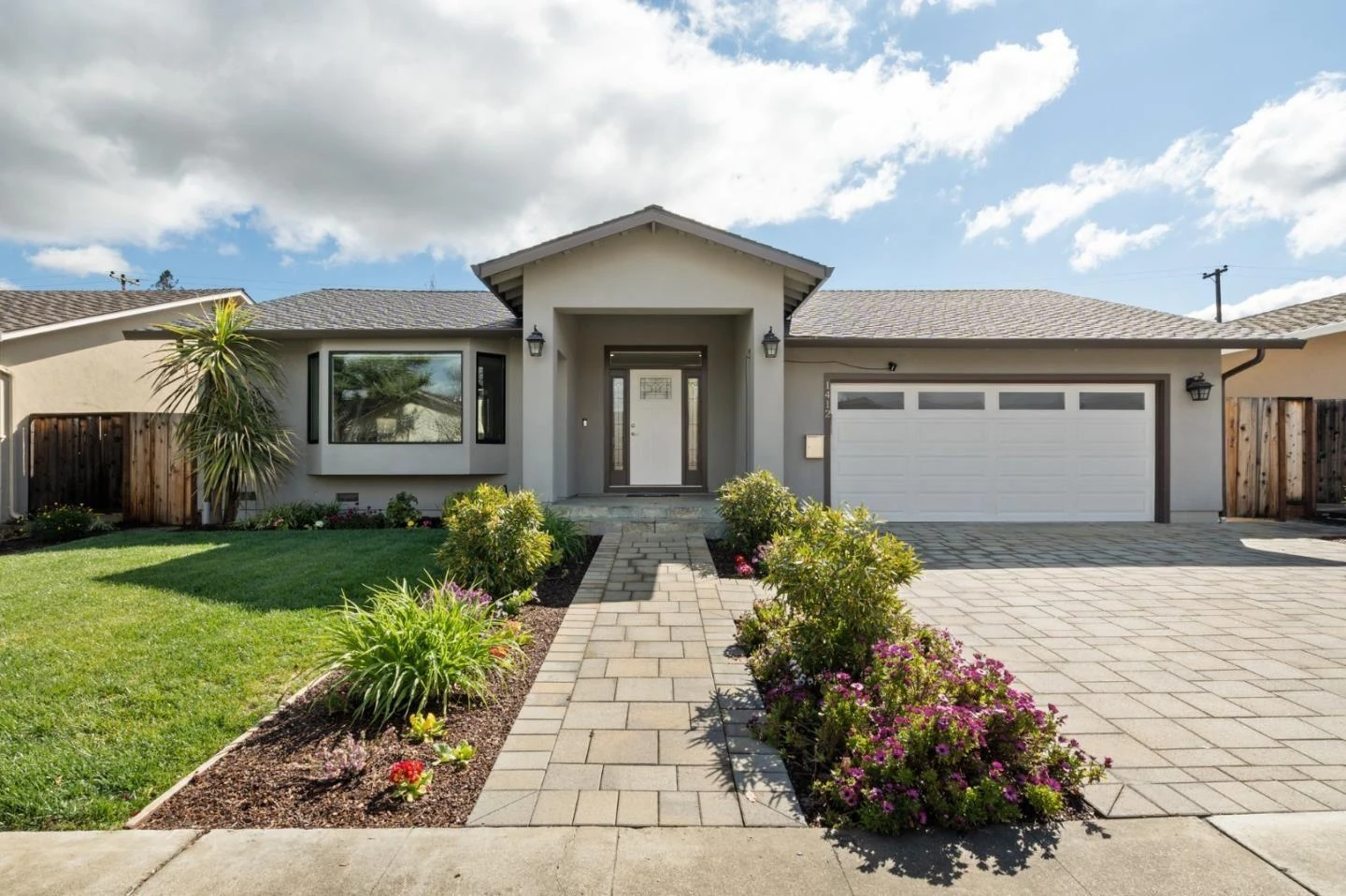
A driveway is the hardest working surface on the property: cars, trailers, deliveries and the occasional dropped grill. Both pavers and concrete can handle it, but they fail in different ways.
Concrete driveways
A properly poured and reinforced slab with the right thickness and control joints lasts for decades with almost no upkeep. It is usually the lower cost option up front, and a crack or a stained surface is patched or, in a bad case, replaced in one piece.
Paver driveways
Interlocking pavers on a compacted base carry vehicle weight well and can be lifted and reset if a pipe or cable needs to go under them later. Units that sink can be re-leveled instead of replaced. Upfront cost is higher.
Base is the real cost
Excavation, hauling and the compacted base decide most of the price on either option. A driveway built on a thin base will fail regardless of what sits on top, so ask what the quote includes for prep.
Slope and drainage
Driveways move water toward the street or across the side yard. The slope, the transition at the garage and where the runoff goes should be planned with the surface, not after it.
Edges and transitions
Where the driveway meets lawn, planting or a walkway is where the surface looks best or worst. Borders, expansion joints and a clean edge detail are worth the small extra cost.
Want this figured out for your yard?
Tell us what you are planning and we will walk the space with you.